Press Releases and Spec Sheets
Audio manufacturers issue new product announcements constantly, and they know exactly which words will make their equipment sound impressive. “Frequency response 20Hz–20kHz” and “high-fidelity reproduction” mean almost nothing without context. The key is learning to read what’s actually written, what’s conspicuously absent, and what it all means in practice.
A spec sheet is a promise backed by measurement. But it’s a selective promise—manufacturers highlight what makes them look good and hide what doesn’t. Learning to spot what’s missing is half the skill.
The local audio market depends on informed buyers. If you’re considering new or used equipment, whether it’s speakers, amplifiers, or a home theater installation, you need to know how to separate meaningful specs from marketing puffery.
This guide walks you through the numbers that matter and the gaps manufacturers hope you won’t notice.
Four numbers a spec sheet should give you
Frequency Response Must Have Tolerance
“20Hz–20kHz” alone is meaningless. You need the dB range: ±3dB, ±5dB, ±10dB? The tolerance tells you whether the speaker plays flat or if it boosts bass and treble to sound impressive in a showroom.
Sensitivity Tells You How Hard to Drive It
An 87dB/W/m speaker needs more amplifier power than a 92dB/W/m speaker to play at the same volume. Sensitivity matters more than wattage for how loud something will actually get in your room.
Impedance Determines Your Amplifier Requirements
A 4-ohm speaker pulls harder on an amplifier than an 8-ohm speaker. Know your amplifier’s stable impedance before you buy. Mismatch is how speakers damage amplifiers or amplifiers damage speakers.
Power Rating Depends on Time Duration
Peak power, RMS power, continuous power—all different numbers. A spec sheet that doesn’t specify which one is hiding something. Continuous power is the only one that matters for real-world use.

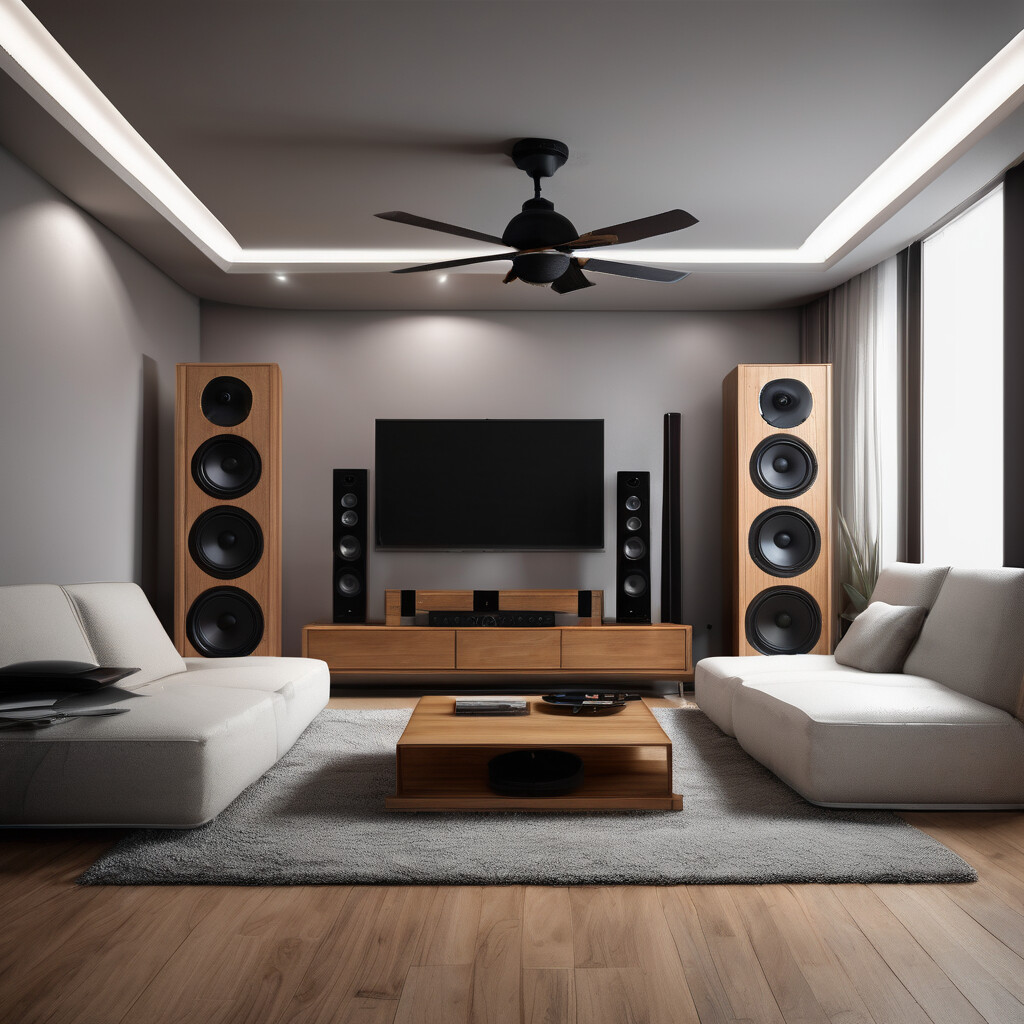
Learning to read specs critically takes practice. Start by comparing how different manufacturers describe the same type of equipment. The gaps and gaps become obvious when you see them side by side.
The best source for real data is third-party measurement labs, independent reviewers, and users who’ve actually lived with the equipment. Trust numbers measured by people with no stake in the sale more than numbers provided by the manufacturer themselves.