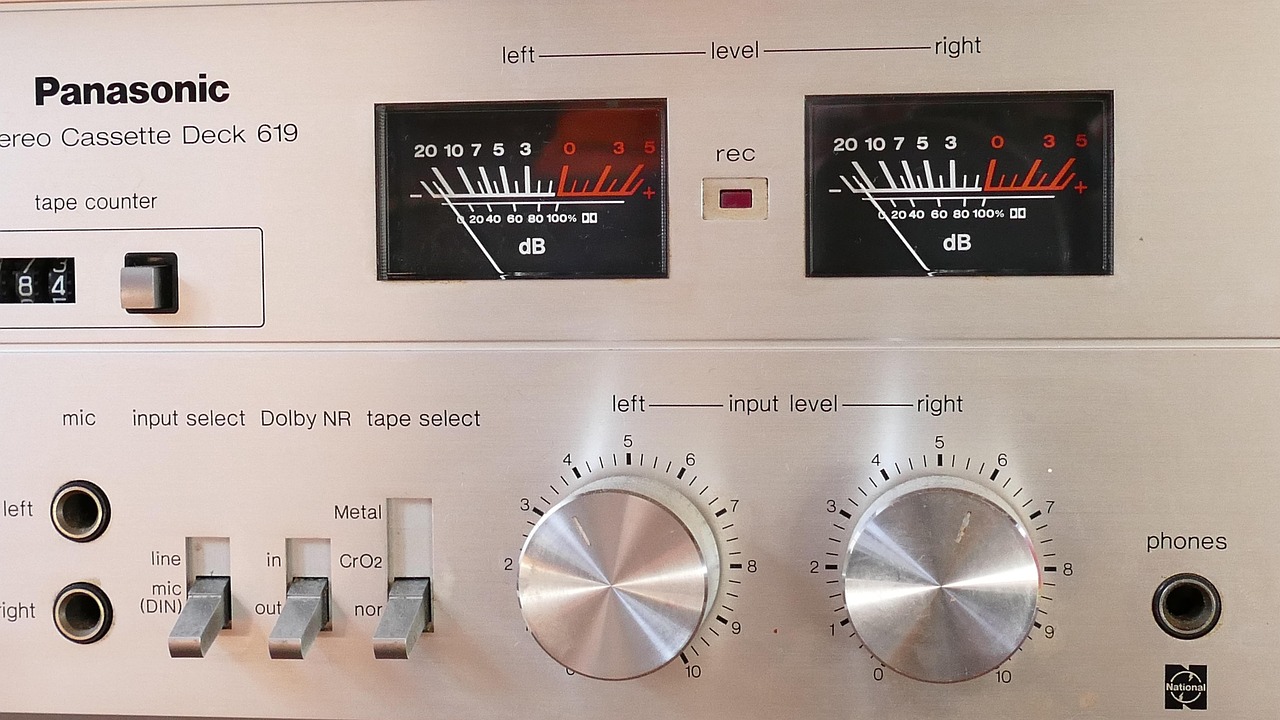
What We Cover: Vintage Audio, Used Gear and Home Theater
This magazine covers home audio and hi-fi from the listener’s perspective. On the coverage front, we focus on vintage speaker restoration, buying and maintaining used stereo equipment, and the technical side of designing and installing home theater systems. For readers planning a custom home theater, this guide walks through the core decisions that turn a room into a properly calibrated listening environment. Whether you’re starting from scratch or upgrading an existing setup, the fundamentals remain the same: match the room to the speakers, not the other way around.
A well-planned home theater room matches speaker placement and acoustic treatment to the room’s dimensions, creating balanced surround sound without expensive trial and error.
Where home theater rooms usually go wrong
-
Seating Distance
Optimal viewing distance from the screen is roughly 1.5 to 2.5 times the screen’s diagonal width. Too close and you’ll see the pixel grid; too far and dialogue becomes hard to follow. Measure your room before choosing screen size.
-
Speaker Placement
Front speakers should angle slightly inward toward ear level from your seating position. Surround speakers mount at or slightly above ear height on the side or rear walls. Subwoofer placement matters most in corners and along walls where room modes interact.
-
Acoustic Treatment
Hard, reflective surfaces cause echoes and standing waves. Soft furnishings and acoustic panels absorb mid and high frequencies. Balance is critical—too much absorption kills the room’s liveliness; too little causes muddiness and boomy bass.
-
Calibration and Testing
Use a sound level meter and test tones to set channel levels and crossover frequencies. Measure bass response in multiple listening positions. Professional calibration services use specialized tools; DIY calibration requires patience and reference material.
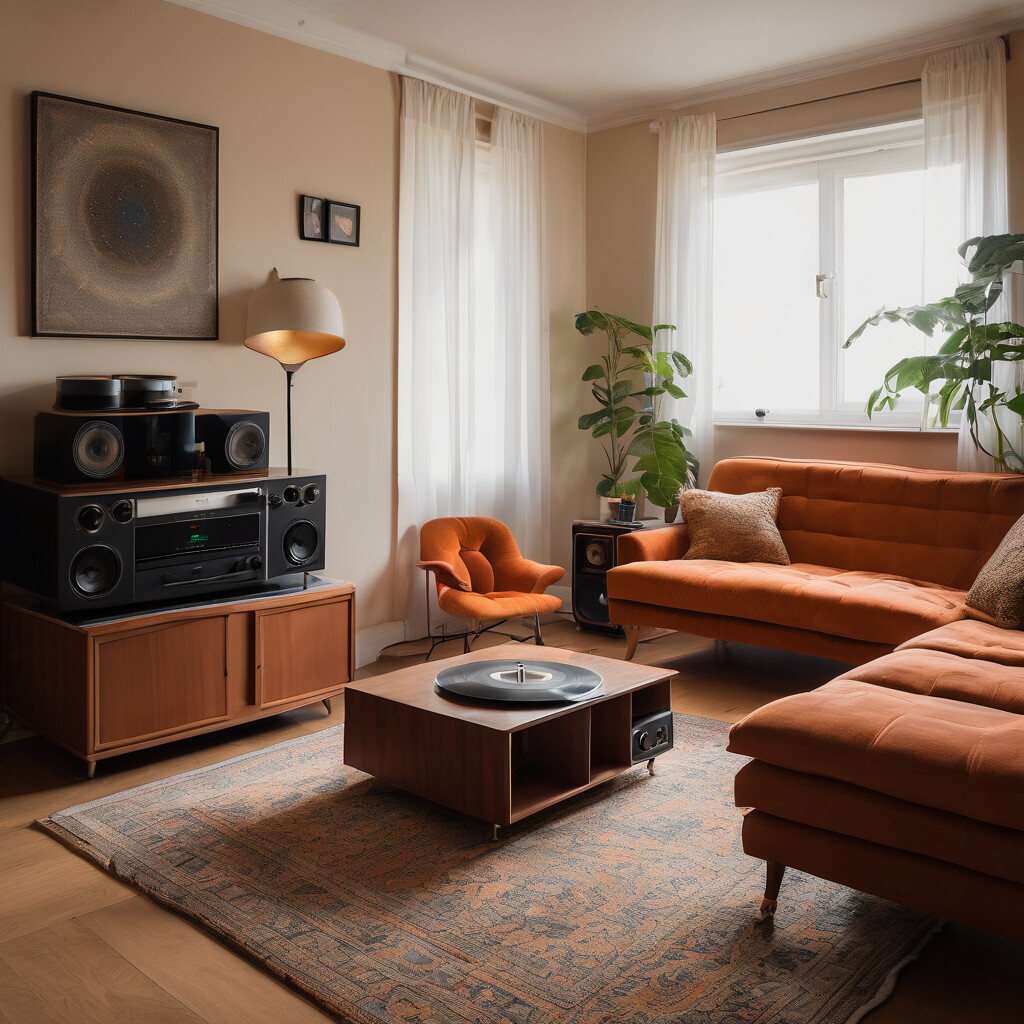
The Reference Points
Home theater design relies on industry standards published by CEDIA, the trade association for home technology professionals, and the technical specifications published by AVIXA for audiovisual systems. These standards define speaker placement angles, crossover points where bass transitions from the subwoofer to front speakers, and calibration methods that ensure consistent sound across different listening positions. Understanding these reference points helps you evaluate whether a setup will work before equipment arrives. A 5.1 surround system places three front speakers across the screen width and surrounds on the side walls. A 7.1 system adds rear surrounds. Crossover frequency for a subwoofer typically ranges from 60 Hz to 150 Hz, depending on your main speakers’ bass capabilities. Room correction software can help, but it cannot overcome poor room acoustics—treatment must come first. The standards bodies also address cable management, isolation from external vibration, and thermal management of amplifiers in confined spaces. These technical details often go unnoticed by casual listeners but determine long-term reliability and consistent performance.