Corrections and Replies: Readers Push Back on Restoring Old Speakers
Why restoring a good pair usually beats buying budget new
We’ve had readers push back on the case for restoration, especially when new speakers are cheap and readily available. The objections are fair: why spend weeks waiting for new surrounds and capacitors when you can have speakers delivered tomorrow? Why risk money on something old when you could buy new and return it if you don’t like it? These aren’t unreasonable questions. Here’s what the figures actually show.
What the figures say
What a restored Advent pair actually costs
The strongest argument for restoration isn’t theoretical. A 1980s Advent speaker with new foam and recapped crossovers costs $250–350 by the time you’re done. A new speaker at that price is built to a cost target, not a sound target. The original Advent was engineered to be accurate across a wider frequency range than budget new equipment ever is. Once the capacitors and foam are replaced, it’s still accurate. The new cheap speaker never was.
The restored pair will outperform the new pair at the same final cost because the original engineering was better, and restoration just brings it back to specification.
A worked example: the numbers
Typical re-foam cost ranges
-
Small bookshelf pair
$80–120 per speaker. Applies to speakers under 8 inches. Quickest turnaround.
-
Mid-size floor stander
$120–180 per speaker. 8–10 inch woofers typical. Most vintage pairs fall here.
-
Large three-way system
$180–280 per speaker. Multiple drivers, more complex. Longer lead times.
-
Custom or rare drivers
$200–350+ per speaker. Non-standard sizes or materials. Specialized sourcing needed.
Why the old engineering is still worth saving
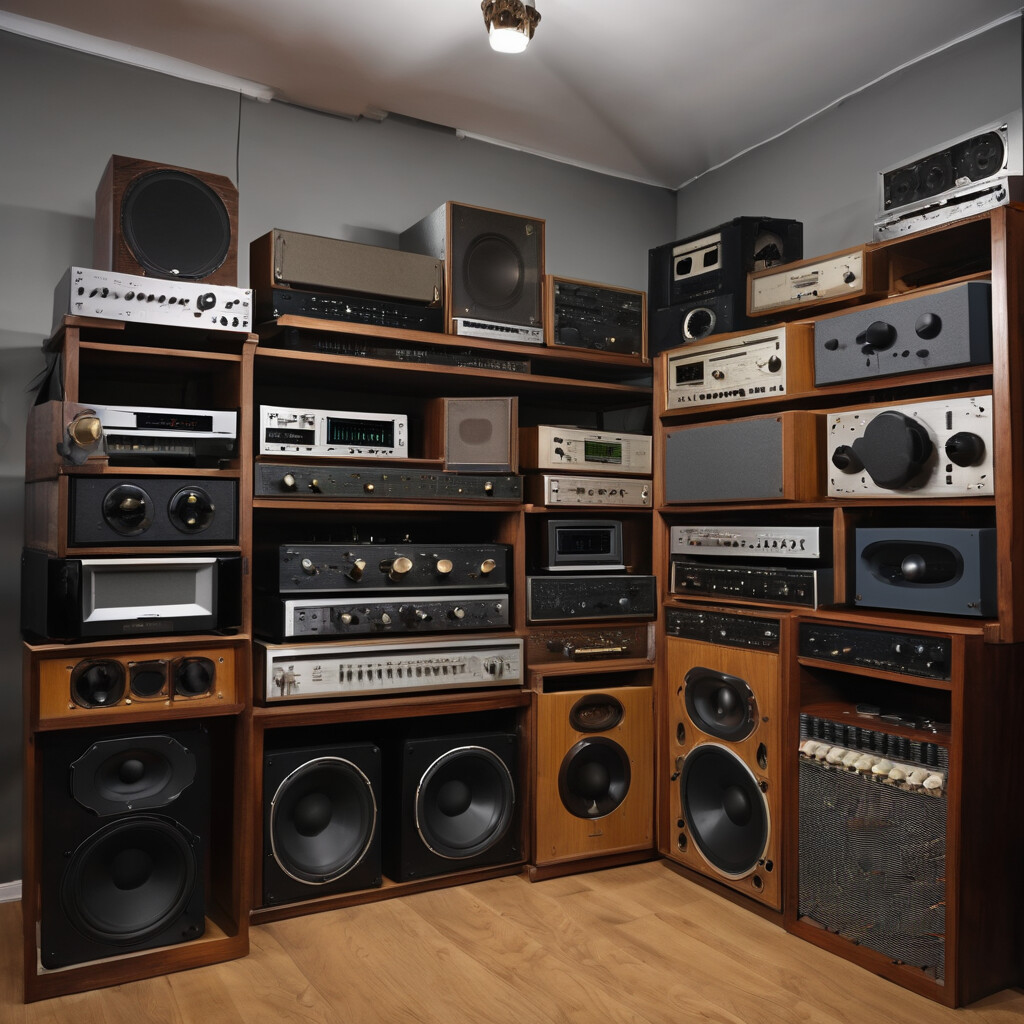
Good vintage equipment wins because the original engineering is still there
A good speaker from 40 years ago was built with better cabinets, heavier transformers, and drivers selected for accuracy, not cost efficiency. Replacing the failed consumables—foam and capacitors—is all it takes to restore it to original condition. The engineering, the cabinet damping, the driver selection: none of that has degraded. You’re not repairing a broken design; you’re replacing parts that were always meant to be replaced.
A new budget speaker has never been accurate to begin with. It’s designed to cost as little as possible while still playing sound. The cabinet is thin, the drivers are optimized for manufacturing speed rather than acoustic performance, and the crossover is minimal. It will never sound as good as the restored vintage pair, no matter how much the original cost.
When a vintage pair isn’t worth the foam
But what if the original design wasn’t that good to begin with? Some vintage speakers are genuinely mediocre, and restoration just locks you into mediocrity.
This is true. Not every vintage speaker is worth saving. Cheap models from the 1960s and early 1970s, made by brands that were cutting corners even then, will never be great. The way to know is to listen to them before you commit to restoration. If they sound thin or colored even when they’re working, restoration won’t fix that—the design itself is the problem. But speakers from the major brands in the late 1970s and after, especially from companies that aimed for accuracy rather than flash, almost always justify the restoration cost. When you find a pair worth saving, the numbers work decisively in favor of restoration.